When motorcycle owners think about improving fuel economy, they often focus on riding habits or fuel quality. While these factors certainly matter, two small and inexpensive components—the air filter and the spark plug—play a surprisingly important role in determining how efficiently your bike uses fuel.
A clogged air filter or a worn spark plug can reduce mileage, affect engine performance, and even increase emissions. Fortunately, regular maintenance of these parts can restore lost fuel efficiency without expensive repairs.
Here’s how these components influence your bike’s real-world fuel economy and what you can do to keep them in top condition.
Why Air Filters Matter
Your motorcycle engine needs the right balance of air and fuel for efficient combustion. The air filter prevents dust, dirt, insects, and other contaminants from entering the engine while allowing clean air to flow freely.
When the air filter is clean, the engine receives enough oxygen to burn fuel efficiently. However, when it becomes clogged with dirt and debris, airflow is restricted, disrupting the ideal air-fuel mixture.
How a Dirty Air Filter Reduces Fuel Economy
A clogged air filter limits the amount of air entering the combustion chamber. To compensate, the engine may consume more fuel than necessary, especially in fuel-injected motorcycles where sensors detect airflow changes.
Common effects include:
- Reduced fuel efficiency
- Sluggish acceleration
- Rough engine performance
- Increased exhaust smoke
- Loss of engine power
In city riding, where acceleration and deceleration are frequent, these issues become even more noticeable.
Signs Your Air Filter Needs Replacement
Look out for these warning signs:
- Noticeable drop in mileage
- Weak throttle response
- Black smoke from the exhaust
- Engine feels less responsive
- Dirty or heavily clogged filter element
Most manufacturers recommend inspecting the air filter every 5,000–10,000 km, although dusty riding conditions may require more frequent cleaning or replacement.
The Role of Spark Plugs
A spark plug ignites the compressed air-fuel mixture inside the engine cylinder. Every combustion cycle depends on a strong, consistent spark.
Even though it’s a small component, the spark plug directly affects:
- Fuel combustion efficiency
- Engine power
- Cold starting
- Throttle response
- Fuel consumption
A healthy spark plug ensures complete combustion, extracting the maximum energy from every drop of fuel.
How Worn Spark Plugs Waste Fuel
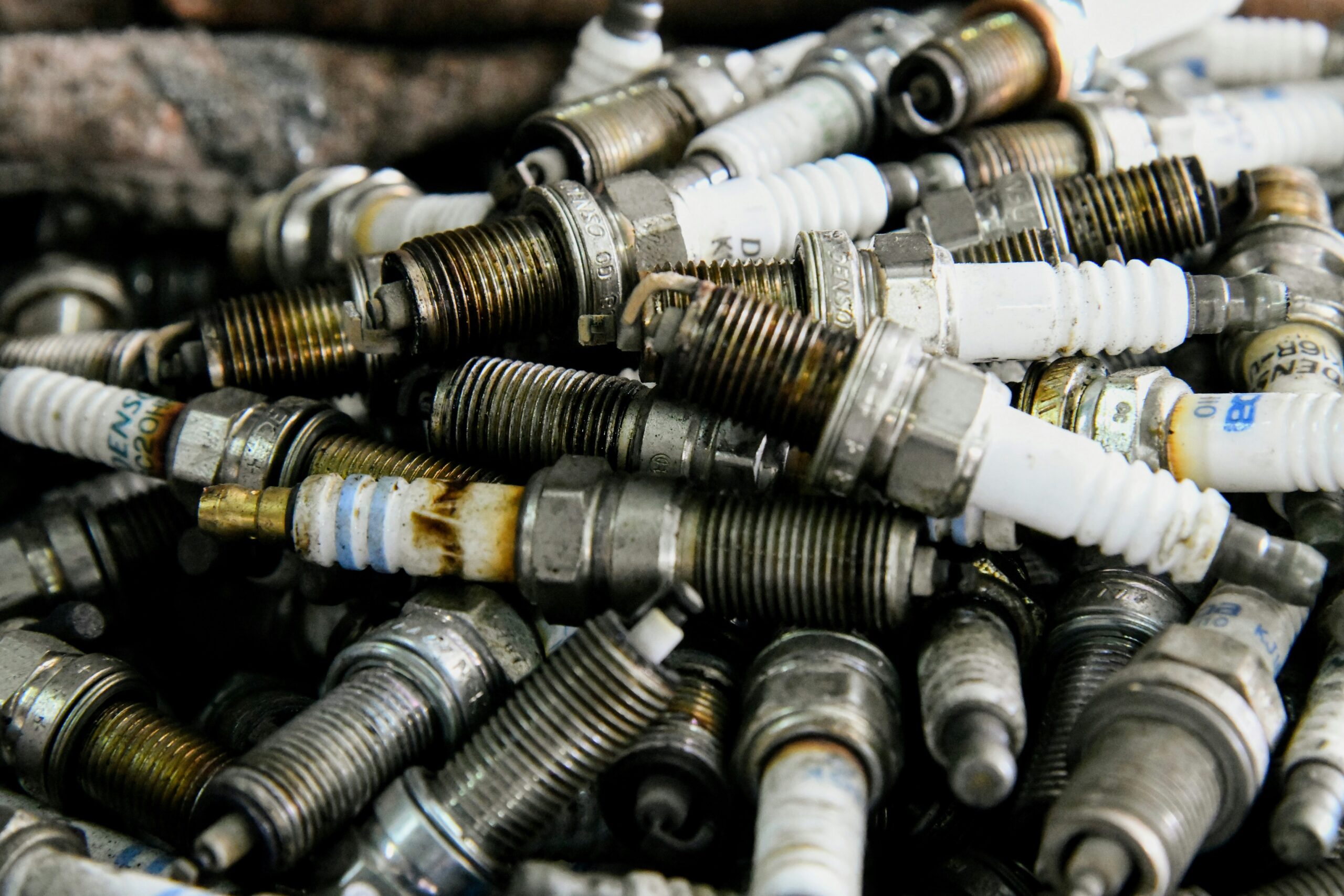
As spark plugs age, the electrode gradually wears down, increasing the gap and weakening the spark.
A weak spark can lead to:
- Incomplete combustion
- Engine misfires
- Reduced power
- Higher fuel consumption
- Rough idling
When fuel doesn’t burn completely, some of it is wasted instead of producing useful power.
Common Symptoms of a Bad Spark Plug
You may notice:
- Difficulty starting the engine
- Poor acceleration
- Reduced fuel economy
- Engine vibration at idle
- Hesitation during acceleration
- Occasional engine misfires
Ignoring these symptoms can eventually put additional strain on the ignition system.
How Air Filters and Spark Plugs Work Together
The air filter and spark plug may perform different functions, but together they determine how efficiently combustion takes place.
A clean air filter provides the correct amount of oxygen, while a healthy spark plug ignites the mixture effectively.
If either component isn’t working properly:
- Fuel burns inefficiently.
- Engine performance drops.
- Fuel economy decreases.
- Carbon deposits build up faster.
Maintaining both components ensures your engine operates at peak efficiency.
Commuter Bikes vs. Performance Bikes
Commuter Motorcycles
Daily commuters spend much of their time in stop-and-go traffic.
A clogged air filter or worn spark plug can noticeably reduce mileage because the engine constantly accelerates from low speeds.
Performance Motorcycles
Performance bikes operate at higher RPMs and generate more heat.
Clean intake airflow and strong ignition become even more important to maintain power and prevent incomplete combustion during spirited riding.
Maintenance Tips to Improve Fuel Economy
Simple maintenance can make a noticeable difference.
- Inspect the air filter during every scheduled service.
- Replace paper air filters rather than attempting to wash them.
- Clean reusable foam filters according to manufacturer instructions.
- Replace spark plugs at the recommended service interval.
- Always use the correct spark plug specified by the manufacturer.
- Check spark plug gaps whenever replacing plugs.
- Avoid low-quality aftermarket ignition components.
Other Factors That Affect Mileage
While air filters and spark plugs play a significant role, overall fuel economy also depends on:
- Correct tyre pressure
- Proper engine oil viscosity
- Chain lubrication and adjustment
- Riding style
- Vehicle load
- Fuel quality
- Regular servicing
Maintaining your motorcycle as a complete system delivers the best results.
Frequently Asked Questions
Can a dirty air filter reduce motorcycle mileage?
Yes. Restricted airflow causes inefficient combustion, which can increase fuel consumption and reduce engine performance.
How often should I replace my bike’s air filter?
Most motorcycles require inspection every 5,000–10,000 km, but replacement intervals depend on riding conditions and manufacturer recommendations.
Does replacing a spark plug improve mileage?
Yes. A new spark plug restores efficient combustion, often improving fuel economy, throttle response, and starting performance.
Can bad spark plugs damage the engine?
Prolonged misfires caused by worn spark plugs can increase carbon deposits, reduce performance, and place extra stress on the ignition system.
Final Thoughts
If your motorcycle’s fuel economy has dropped unexpectedly, don’t immediately blame fuel prices or engine age. Often, the problem lies in basic maintenance. A clogged air filter restricts airflow, while a worn spark plug weakens combustion—both leading to wasted fuel and reduced performance.
Replacing these affordable components at the recommended intervals can restore lost mileage, improve throttle response, and keep your engine running smoothly. Combined with regular servicing, proper tyre pressure, and quality engine oil, clean air filters and healthy spark plugs are among the easiest and most cost-effective ways to maximize your bike’s real-world fuel efficiency.